Can one designer build a research culture from scratch?
Scalable UX Research Database
Virtusize had no research culture. No user voice in the room when decisions got made. I built the system that changed that — from research frameworks and bilingual studies across English and Japanese markets, to a knowledge base used by every team. 80% of insights adopted into the product roadmap & Design iteration 30% faster.
Timeline
June 2025 - December 2025
Team
PMs, Engineering, Growth, CS, Retail Clients
Role
Lead UX Researcher & Designer
Skills
UX Research · System Design · Workshop Facilitation · Knowledge Base Architecture · Bilingual Research (EN/JP)
The Problem
Product decisions at Virtusize were driven by client requests and internal opinion. User evidence barely existed. No research process. No central insight repository. Feedback scattered across Slack, Notion, and people's memories. The symptoms were predictable: features nobody needed, design revisions stacking up, the same user complaints cycling through client emails month after month. Nothing was being documented. So nothing was being fixed.
The company wasn't ignoring users. It just had no system for listening to them.
My job, as I defined it: build that system. From nothing. For a globally distributed team serving fashion retail clients across Japan, Korea, and Europe.
Who I was Working With
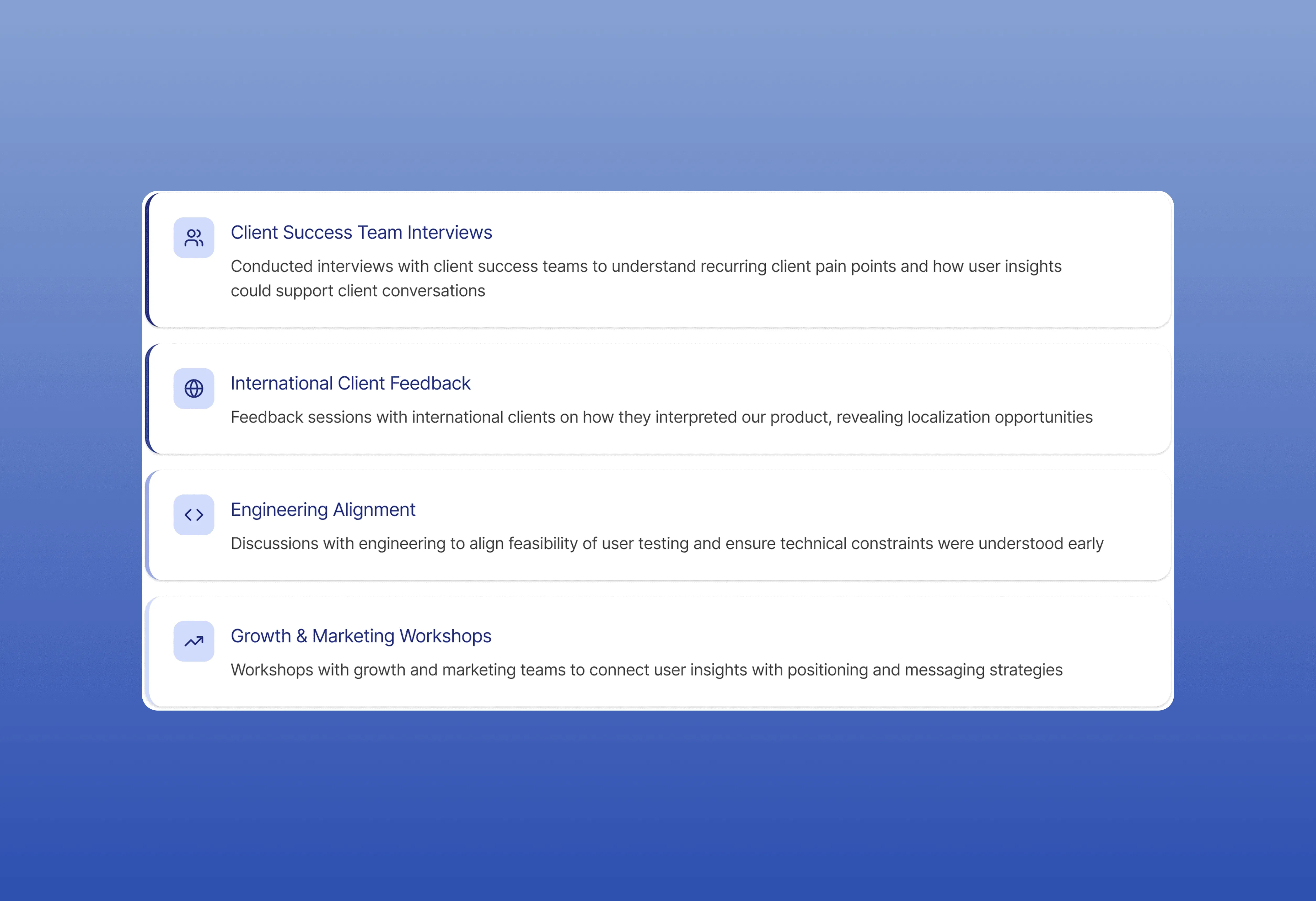
This touched every team. PMs needed evidence for roadmap bets. Engineering needed research to fit sprint cycles. Growth and CS needed to understand what retail clients were struggling with. End users: shoppers across English and Japanese-speaking markets — needed to actually be heard.
The global dimension wasn't background context. It was a core design constraint. A finding from Tokyo doesn't automatically apply to Stockholm. The system had to hold that nuance and make it searchable.
The Process
Before designing anything, I interviewed the people who would use the system. PMs, designers, CS reps: where do insights live now? How do decisions actually get made? What do you wish you'd known before the last thing shipped?
The answer was consistent: everyone had fragments. Nobody had the full story.
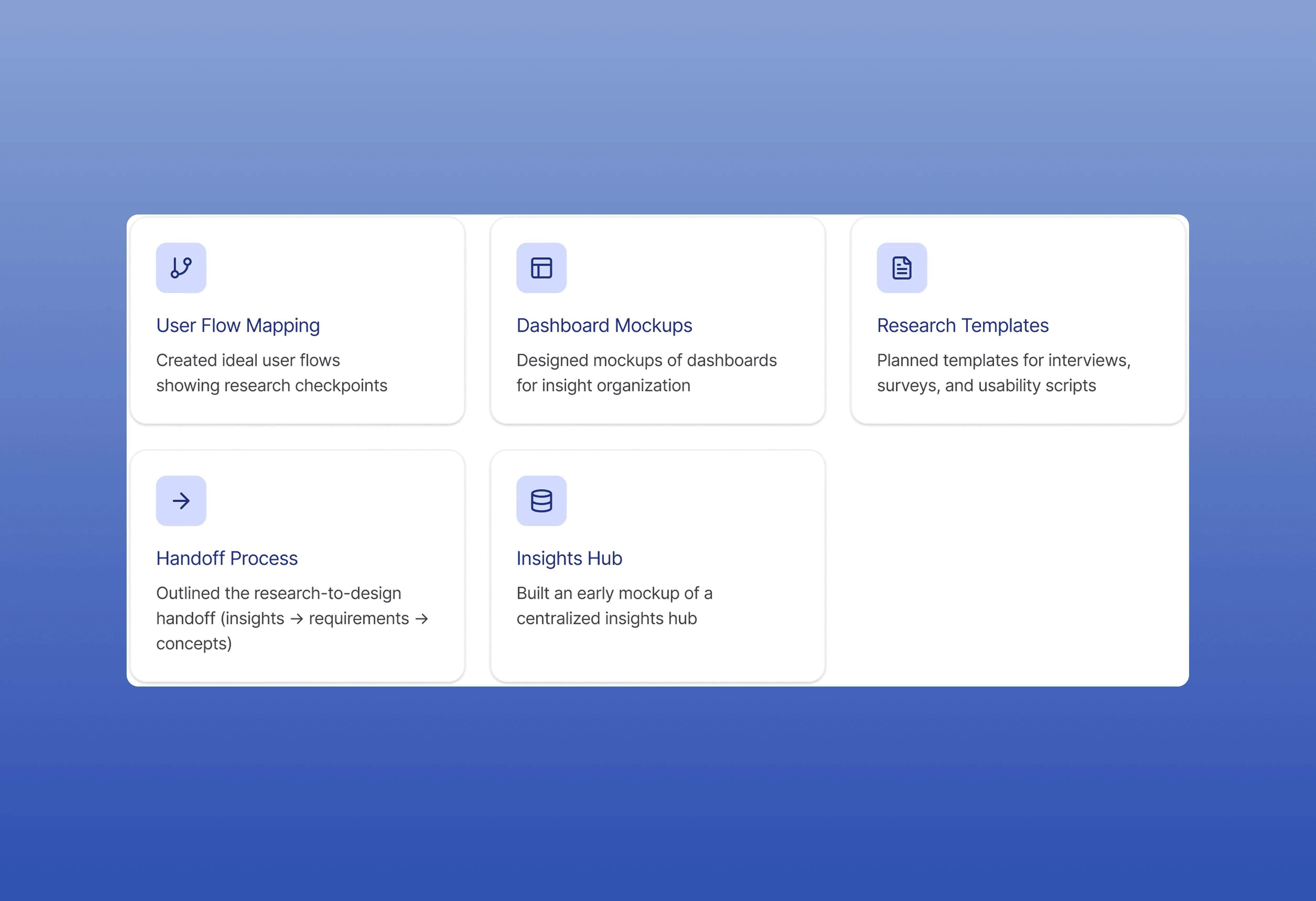
From those conversations I mapped the gaps and built standardized templates for every research method — interviews, surveys, usability tests: so anyone on the team could run a study, not just me. Then I ran bilingual studies in English and Japanese across 10 participants. Those insights became the proof of concept that got the wider team bought in.
What I Built
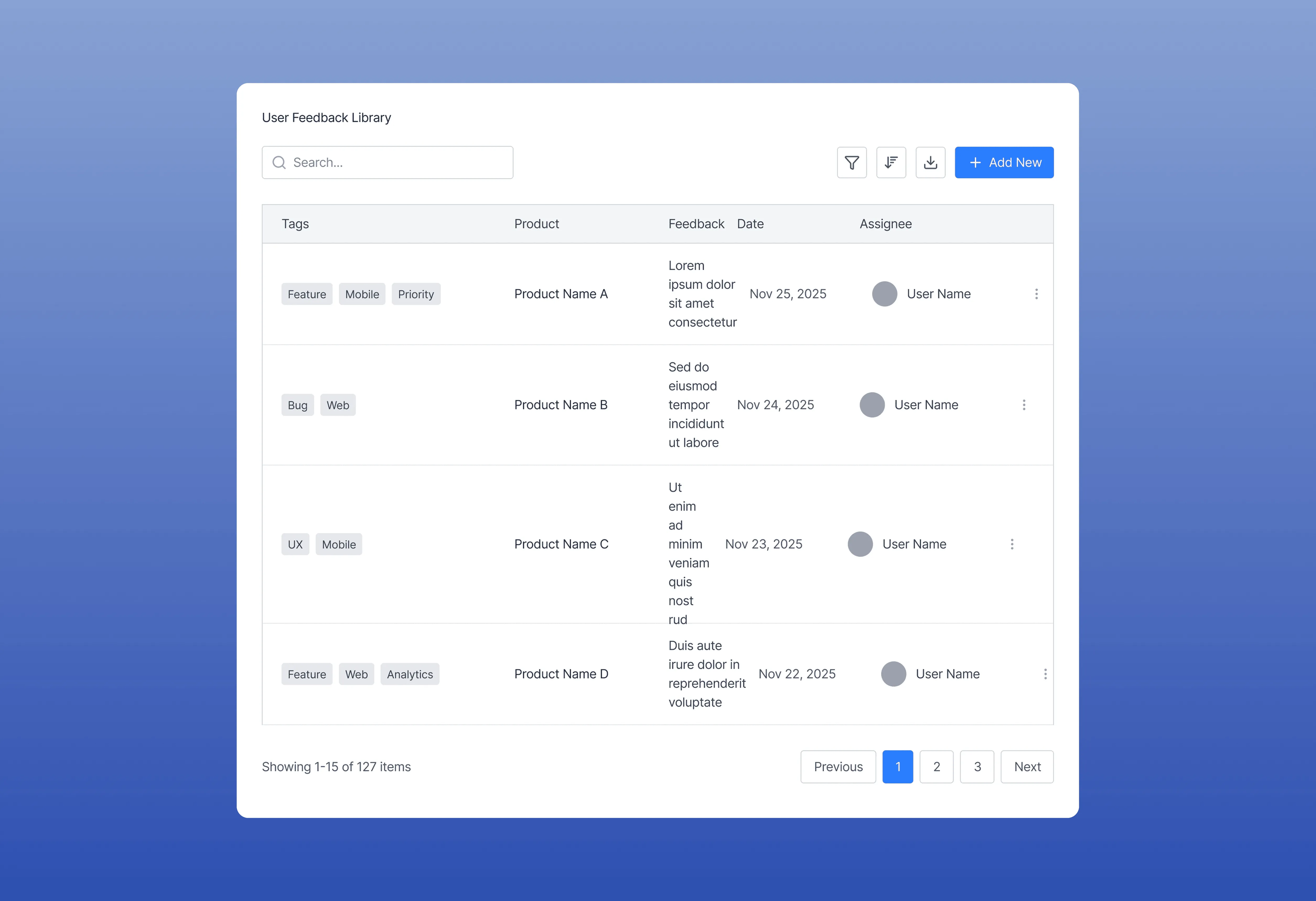
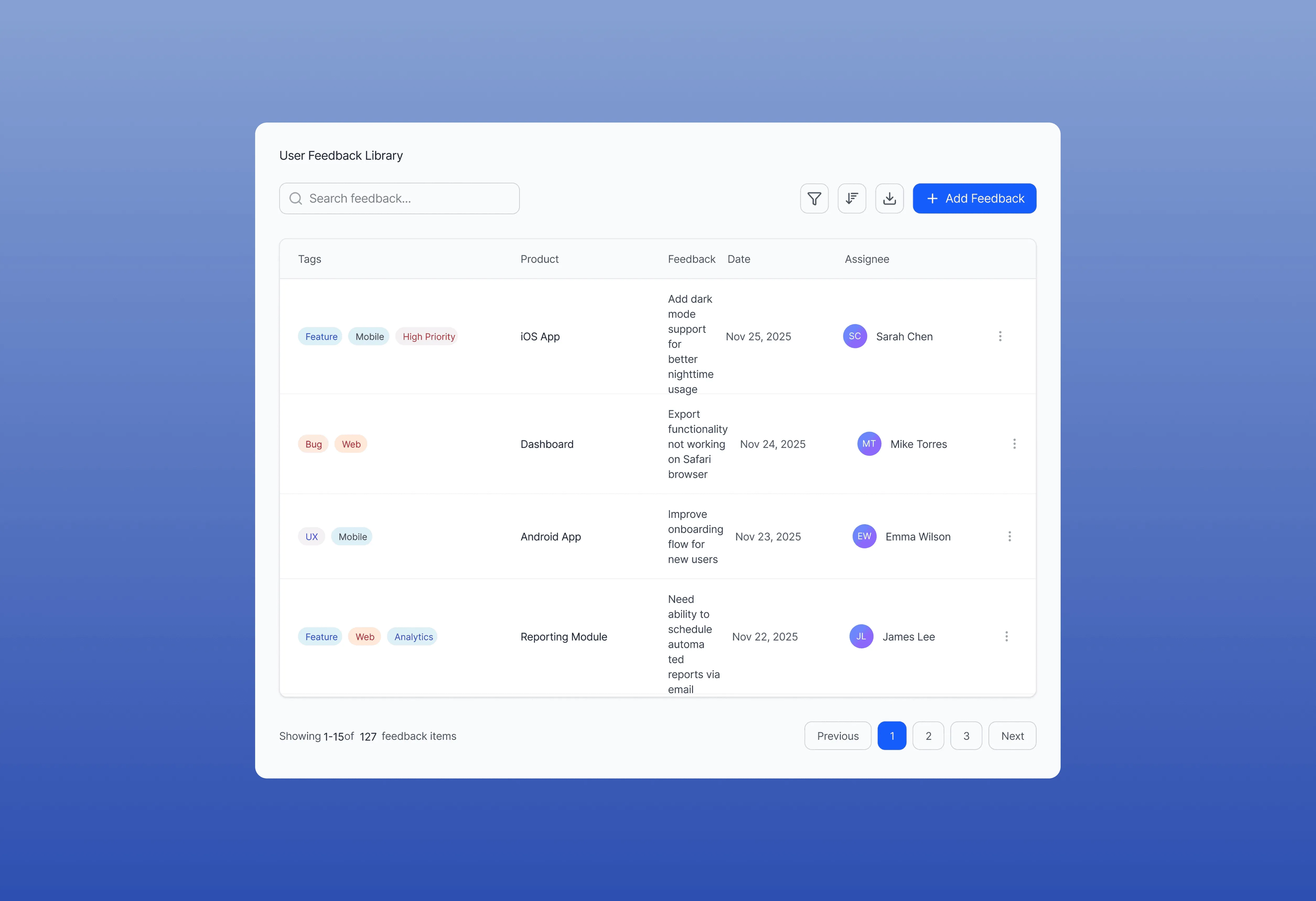
A centralized UX Knowledge Base. Every insight tagged by persona, feature, severity, opportunity type, and supporting evidence. Searchable. Linked to the decisions it informed. No more 'I think users want X.' Now there was somewhere to check.
Around it: research request flows for product teams, decision checkpoints embedded at every design stage from discovery through post-launch, and a research dashboard giving leadership visibility into what we knew — and what we didn't.
Then I rolled it out. Workshops. Documentation. One-on-ones with sceptics. The system only works if people trust it enough to use it.
Designing for a Global Audience
Virtusize operates across Japan, Korea, and Europe. Users in each market behave differently. Japanese shoppers are more methodical and return-averse; European users prioritize speed. The system had to capture those differences, not flatten them.
Bilingual research was non-negotiable. Survey instruments and interview guides built in English and Japanese from the start. Market and language as mandatory tags in the knowledge base. So when a PM was deciding on a Japan rollout, the evidence they pulled was actually relevant to Japan.